Success Stories: Transforming School Sports in China

The landscape of school sports in China has undergone a remarkable transformation in recent years. With a growing emphasis on physical education and the development of athletic talent, schools across the nation are embracing innovative programs that not only enhance student engagement but also foster a culture of health and teamwork. This blog post explores some inspiring success stories that highlight the positive changes in school sports in China, showcasing how these initiatives are shaping the future of young athletes.
The Shift in Educational Focus
In the past, physical education was often viewed as a secondary concern in the Chinese education system, overshadowed by the emphasis on academic performance. However, recent reforms have recognized the importance of physical health and teamwork in the overall development of students.
Government Initiatives
The Chinese government has implemented several policies aimed at promoting sports in schools. For example, the National Fitness Plan encourages schools to integrate sports into their daily curriculum. This initiative has led to increased funding for sports facilities and programs, allowing schools to offer a wider variety of athletic activities.
Case Study: The Rise of Basketball Programs
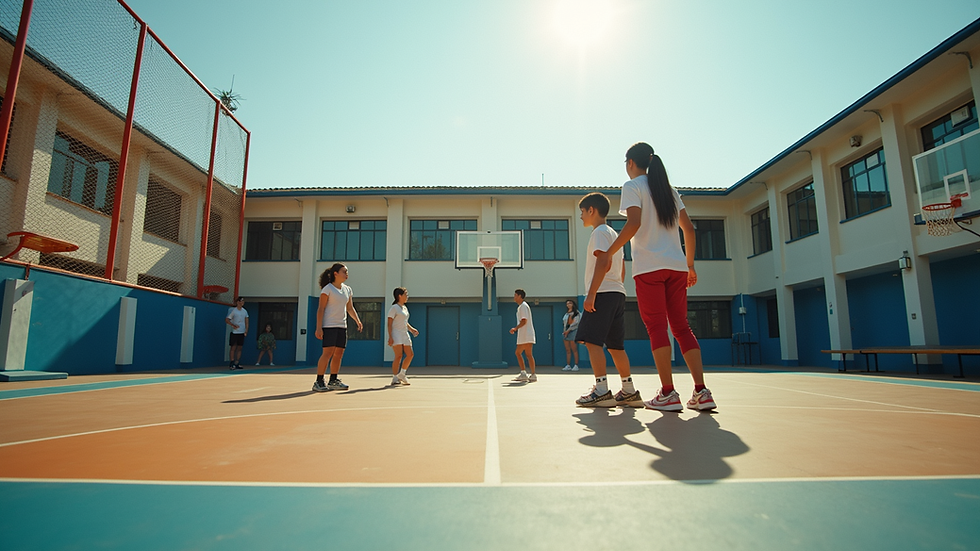
One notable example of this shift is the rise of basketball programs in schools. Basketball has become one of the most popular sports among Chinese youth, thanks in part to the influence of the NBA and local basketball stars. Schools have responded by establishing basketball teams and hosting tournaments, which not only improve students' athletic skills but also teach valuable life lessons about teamwork and perseverance.
Building Stronger Communities
School sports are not just about competition; they also play a crucial role in building community spirit. When students participate in sports, they develop a sense of belonging and camaraderie that extends beyond the playing field.
Community Engagement
Many schools have begun to involve parents and local businesses in their sports programs. For instance, some schools host community sports days, where families can come together to support their children and participate in various athletic activities. This engagement fosters a supportive environment that encourages students to excel both in sports and academics.
Case Study: The Chengdu Sports Festival
The Chengdu Sports Festival is an excellent example of community involvement in school sports. This annual event brings together students from various schools to compete in a range of sports, from track and field to traditional Chinese games. The festival not only promotes physical fitness but also strengthens community ties, as local businesses sponsor events and families come out to cheer for their children.
Emphasizing Inclusivity
Another significant change in school sports in China is the growing emphasis on inclusivity. Schools are recognizing the importance of providing opportunities for all students, regardless of their athletic ability.
Adaptive Sports Programs
Some schools have begun to implement adaptive sports programs for students with disabilities. These programs ensure that every student has the chance to participate in physical activities, promoting a culture of acceptance and understanding.
Case Study: The Beijing Special Olympics School Program
The Beijing Special Olympics School Program is a pioneering initiative that provides training and competition opportunities for students with intellectual disabilities. This program not only helps these students develop their athletic skills but also fosters friendships and social connections, breaking down barriers and promoting inclusivity within the school community.
Leveraging Technology
Technology is playing an increasingly important role in enhancing school sports programs. From fitness tracking apps to virtual coaching, schools are finding innovative ways to engage students and improve their athletic performance.
Digital Training Tools
Many schools are adopting digital tools to help students track their progress and set fitness goals. For example, fitness apps allow students to monitor their physical activity, encouraging them to stay active outside of school hours.
Case Study: The Smart Sports Initiative
The Smart Sports Initiative in Shanghai integrates technology into physical education classes. Schools are equipped with smart devices that track students' performance in real-time, providing instant feedback and personalized training plans. This approach not only motivates students but also helps teachers tailor their coaching strategies to meet individual needs.
Fostering Leadership Skills
Participation in school sports is not just about physical fitness; it also helps students develop essential leadership skills. Through teamwork and competition, students learn how to communicate effectively, resolve conflicts, and take on leadership roles.
Leadership Development Programs
Some schools have introduced leadership development programs that focus on building these skills through sports. Students are encouraged to take on roles such as team captains or event organizers, providing them with valuable experiences that extend beyond the classroom.
Case Study: The Leadership Academy in Guangzhou
The Leadership Academy in Guangzhou offers a unique program that combines sports with leadership training. Students participate in various sports while also engaging in workshops that teach them about effective communication, problem-solving, and decision-making. This holistic approach prepares students for future challenges, both in sports and in life.
Inspiring Future Generations
The success stories emerging from school sports in China are not just about immediate achievements; they also inspire future generations of athletes. As schools continue to invest in sports programs, they are laying the groundwork for a healthier, more active society.
Role Models and Mentorship
Successful athletes often return to their alma maters to serve as role models and mentors for current students. These interactions can have a profound impact, motivating young athletes to pursue their dreams and strive for excellence.
Case Study: The Alumni Mentorship Program
The Alumni Mentorship Program at a school in Shenzhen connects former students who have excelled in sports with current athletes. These mentors provide guidance, share their experiences, and inspire students to overcome challenges. This program not only strengthens the school's sports culture but also creates a legacy of excellence.
Conclusion
The transformation of school sports in China is a testament to the power of community, inclusivity, and innovation. As schools continue to embrace these changes, they are not only enhancing the athletic abilities of their students but also fostering a culture of health, teamwork, and leadership. The success stories emerging from this movement serve as an inspiration for educators, parents, and students alike, highlighting the importance of sports in shaping well-rounded individuals.
As we look to the future, it is clear that the commitment to transforming school sports will have lasting benefits for generations to come. Schools, communities, and families must continue to support these initiatives, ensuring that every child has the opportunity to thrive both on and off the field.


Comments